
A National Tradition Six Decades Strong
For the last 60 years, the Super Bowl has been a national event, garnering attention as both the final football game of the season and a landmine for commercials. The game holds tremendous power over audiences, who are eager to find out who will win. As a result, millions of people gather eagerly to cheer on their teams, whether it be at home or on the field.
Last year’s Super Bowl LIX smashed viewership records, with nearly 128 million people tuning in from home. In some cases, watching Super Bowl ads can be just as entertaining as the game itself. If they play their cards right, advertisers can win big by drawing in new customers.
Why Advertisers Chase the Super Bowl Spotlight
For advertisers, the Super Bowl presents an engagement jackpot. As one of the most-watched television programs of the year, it allows advertisers to reach millions of viewers at once. This hefty viewership count motivates advertisers to invest more money into ad slots during the broadcast.
Shockingly, a single 30-second slot costs an average of $8 million, according to CNBC. Companies pay premium prices to secure a spot on the broadcast, raising the stakes even higher. To ensure their success, advertisers put their investments to good use by creating highly entertaining commercials to keep viewers hooked.
Super Bowl ads often receive higher budgets, raising production value. More time and resources allow advertisers to be more creative with their tactics. These commercials often feature moving stories, creative twists, and humor that sticks with the audience. The concentration on entertainment value over direct selling plays a huge role in how Super Bowl ads outshine traditional commercials.
Story-First: A Winning Strategy
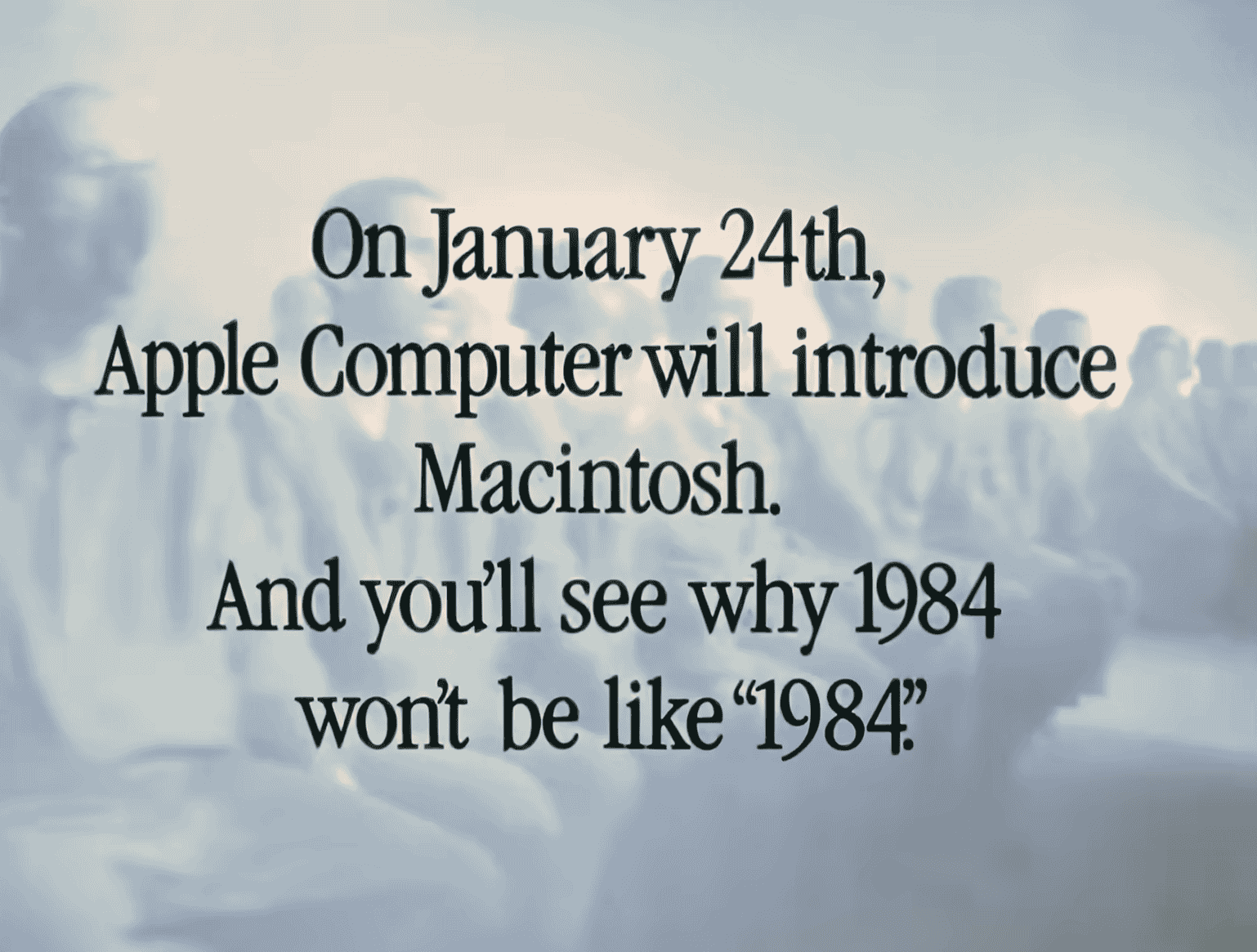
Perhaps one of the most famous examples of a Super Bowl ad is Apple’s 1984, based on the novel of the same name by George Orwell. The one-minute commercial opens with a long line of people with shaved heads and identical clothes marching forward. Viewers hear the voice of “Big Brother,” a dictator from the novel, as the people file into a large auditorium where his face looms on a large screen. Then, a woman carrying a sledgehammer bursts into the room, chased by faceless soldiers. She spins and releases the hammer into the screen, shattering it and blinding the audience. A message appears: “On January 24th, Apple will introduce the Macintosh. And you’ll see why 1984 won’t be like ‘1984.’” (See bottom of page)
This commercial completely revolutionized Super Bowl advertisements, as it did not feature a celebrity or directly show the product. Apple’s creativity prioritized storytelling over product demonstration as an advertising technique, and it paid off big-time.
Streaming Joins the Stage
Given their relevance over the last several decades, audiences are gearing up for the innovative commercials of Super Bowl LX. NBC, who has broadcast 21 previous Super Bowls, will be broadcasting Super Bowl LX on their network as well as “simulcasting” it to Peacock, their streaming service.
Sports viewing through streaming services has become increasingly popular in the last several years, especially with Disney’s acquisition of ESPN and Hulu. This year, alongside the standard ads running on NBC’s broadcast, some advertisers have created ads specifically for streaming services.
These streaming-only spots make up about 10% of the Super Bowl’s ad inventory (the amount of time allotted to advertisements), and are far cheaper. Most ads cost about half of what they would on a broadcast ad spot, according to NBC’s chairman of global advertising and partnerships.
This shift toward streaming-only ads demonstrates modern advertisers’ ability to adapt to the ever-changing media landscape, ensuring that their commercials remain as engaging and relevant as the game itself.
Recent Comments